
What a Special Leave Petition is
Article 136 of the Constitution gives the Supreme Court a discretionary power to grant special leave to appeal against any judgment or order of any court or tribunal in India, except military tribunals. A Special Leave Petition (SLP) is the request for that leave.
It is not an automatic right of appeal. The Supreme Court generally interferes where a substantial question of law, a grave injustice or a serious error in the High Court’s decision is shown.
Time limits
Under the Supreme Court Rules, 2013, an SLP is ordinarily to be filed within 90 days from the date of the judgment or order being challenged, or within 60 days from an order refusing a certificate of fitness to appeal. Delay can be condoned only on sufficient cause, explained in a separate application.
How an SLP is filed
Petitions in the Supreme Court are filed through an Advocate-on-Record, who is responsible for the filing. The petition sets out the questions of law, a list of dates, the grounds of challenge and any interim relief sought.
- Certified copy of the impugned High Court judgment or order
- Copies of the lower court and High Court records relied on
- English translations of documents in Hindi or other languages
- Affidavit and vakalatnama
What happens at the first hearing
After defects are cured, the matter is listed. The Court may dismiss the SLP at the admission stage, or issue notice to the other side. Interim relief, such as a stay, may be granted or refused at this stage.
If leave is granted
When the Court grants leave, the SLP is converted into a civil or criminal appeal and heard on merits in due course. This can take time; the interim arrangement made at the notice stage often matters a great deal in the meantime.
Practical considerations
- Act quickly once the High Court order is received — certified copies take time
- Not every adverse order is fit for an SLP; take honest advice on prospects
- Consider whether a review before the High Court is more appropriate first
- Keep the full record organised: the Supreme Court decides largely on paper
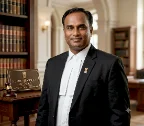
About the author
Advocate Vivekanand
Founder & Principal Advocate, Vivekanand Law Firm · MA (English), MBA, LL.B., Author. Full profile
This article is general legal information, not legal advice. It does not create an advocate–client relationship. Legal provisions referred to should be verified for your specific situation and the date of the events concerned.