
Why a settlement does not end the case by itself
Cruelty under Section 85 BNS (formerly 498A IPC) is not compoundable, so the parties cannot simply withdraw the case before the trial court after they settle. The usual route is a petition before the High Court to quash the proceedings.
The law permits it
In B.S. Joshi v. State of Haryana (2003), the Supreme Court held that the High Court may quash proceedings in matrimonial cases on a genuine settlement, even though the offence is not compoundable, because continuing them would serve no purpose. Gian Singh v. State of Punjab (2012) confirmed that the inherent power extends to offences of a predominantly private, matrimonial or family character, now under Section 528 BNSS.
What the High Court usually asks for
- A written settlement, signed by both parties, covering divorce, alimony, return of stridhan and custody where relevant
- Joint or separate affidavits confirming that the settlement is voluntary
- Copies of the FIR, chargesheet and the orders of the trial court
- Proof of payments made under the settlement, or the timetable for them
- In many cases, the presence of the parties or verification through the court's mediation centre
Combined settlements
Settlements often cover several cases at once: the 498A case, a maintenance case, a domestic violence case and a divorce petition. They are usually sequenced so that divorce by mutual consent, payment of alimony and quashing of the criminal case are linked, and the terms should be drafted with that order in mind.
When quashing may be refused
Where the case also involves a serious offence such as dowry death, or the settlement appears to have been obtained under pressure, the High Court may decline to quash. The court must be satisfied that the settlement is genuine.
Frequently asked questions
Can the wife withdraw the complaint at the police station?
Once an FIR is registered for a non-compoundable offence, the case cannot be ended by withdrawal. Quashing by the High Court is the usual remedy after a settlement.
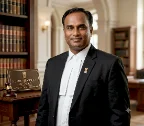
About the author
Advocate Vivekanand
Founder & Principal Advocate, Vivekanand Law Firm · MA (English), MBA, LL.B., Author. Full profile
This article is general legal information, not legal advice. It does not create an advocate–client relationship. Legal provisions referred to should be verified for your specific situation and the date of the events concerned.